Smart homes: home power stations and the world of networked energy

Ralf Ossenbrink
Position: Head of Corporate Communication & PR
- Company: E3/DC
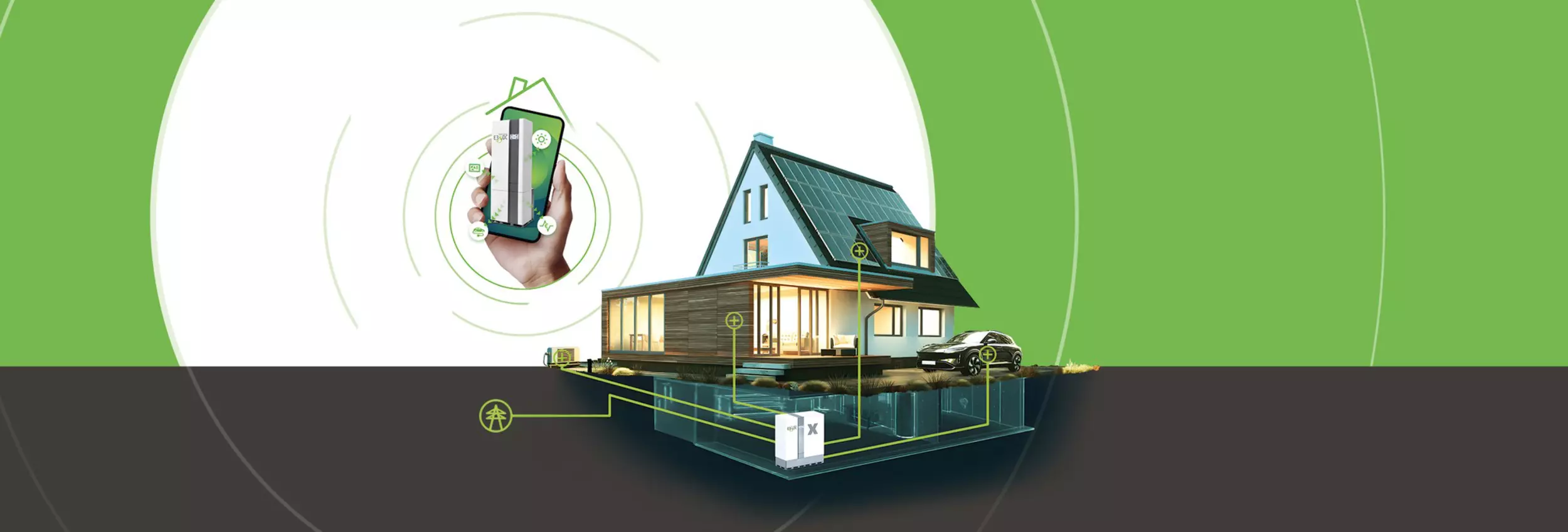
The energy transition has long since arrived in actual, every day practice - and with it intelligent solutions that extend far beyond traditional photovoltaics. The "home power station" from E3/DC is a prime example here. This central supply unit for residential and commercial buildings combines all the components of a modern energy supply in one single system. Here it becomes crystal clear: The future of energy supplies lies in the intelligent networking and sector coupling. This is because the infrastructure (photovoltaics and the connection of heat pumps), mobility (electric vehicles and wall boxes) and energy (battery storage and bidirectional charging) sectors all play a key role here.
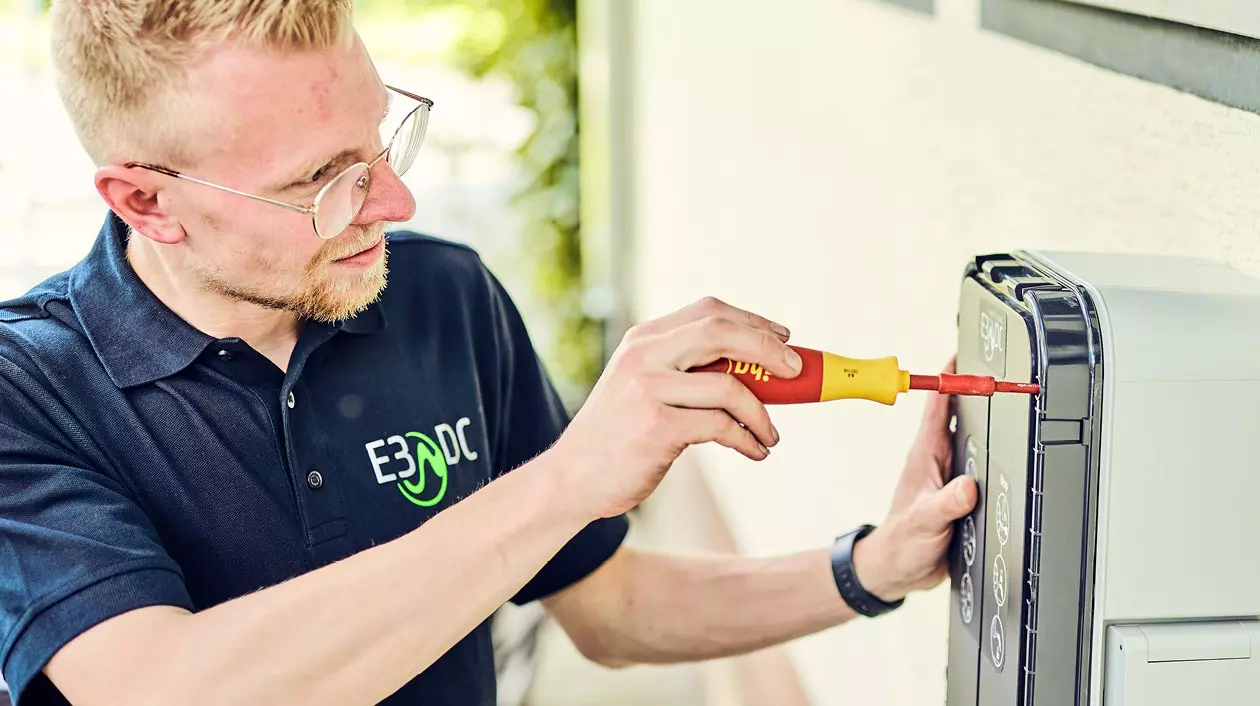
The home power station integrates solar inverters, battery packs and a sophisticated energy management system, aiming to optimise the control of electricity flows - both during storage and withdrawal. Maximum self-sufficiency is achieved by utilising solar power for households, mobility and heating as required; sector coupling is factored in right from the outset. Today, there are over 160,000 home power stations in use, which are adding around 20,000 new appliances every year - a decidedly system-relevant generation and storage capacity.
Our customers are anticipating the energy transition in their personal sphere: maximum renewability, fully electrified and digitally networked.

Ralf Ossenbrink
Head of Corporate Communication & PR E3/DC
Data as the lifeline of the energy transition
Intelligent control is only possible if all devices - from PV systems to wall boxes and on to heat pumps - communicate with each other. The E3/DC portal bundles generation, storage and consumption data, thereby enabling centralised control. Things get particularly exciting in the darker months of the year with dynamic electricity tariffs and AI-supported software: The new "AI 360°" extension analyses load curves and electricity market data so as to charge storage systems and vehicles at the optimum time – achieving maximum cost savings and a high share of renewable energy.
Interoperability is the key
Interoperability remains a central problem, as many devices still speak different "languages". Consequently, E3/DC is focussing on its own developments and is part of the Energy Hub Alliance in Osnabrück. The aim is to create a cloud-based database enabling the exchange of data between energy producers, management systems and consumers such as heat pumps and electric vehicles. A particular focus: bidirectional charging, in which electric vehicles serve as mobile storage units and can feed electricity back into homes - an important component for achieving grid stability and flexibility.
Summary
What sounds like a dream of the future has long since become reality for E3/DC customers: Sector coupling, AI-supported energy management and decentralised storage solutions are now operating on a large scale. The intelligent networking of all sectors and devices is the key to the All Electric Society - and to sustainable, stable energy supplies of tomorrow.
Energy Hub Alliance Osnabrück – joining forces for greater interoperability
The Energy Hub Alliance in Osnabrück brings companies from different sectors together to create a joint, cloud-based data platform for energy management. The aim is to improve interoperability between PV systems, storage systems, heat pumps and electric vehicles and to network the sectors in a standardised manner by way of the lifeline of data – thereby accelerating the energy transition.
Get involved in shaping the tec.news!
Your feedback helps us to tailor the magazine even better to your interests and needs.