

Chip conveyors and filter systems are typical systems in metalworking machines: They remove metal chips and swarf during machining and filter the coolant to return it to the process. These integrated systems increase efficiency by automating chip removal and maintaining coolant quality. This increases process reliability, reduces downtime, and lowers environmental impact.
Metalworking machinery connectivity
The technological shift toward e-mobility; the usage of AI and the resulting enormous growth in the semiconductor industry; the use of new bio-based materials in textiles and packaging with enormous effects on environmental protection — these are just a few of the trends that would not be possible without the precision products of metalworking machines. As the output demand for these machines increase, they also need to be more efficient and faster to get online — an evolution powered by modernized connectivity.
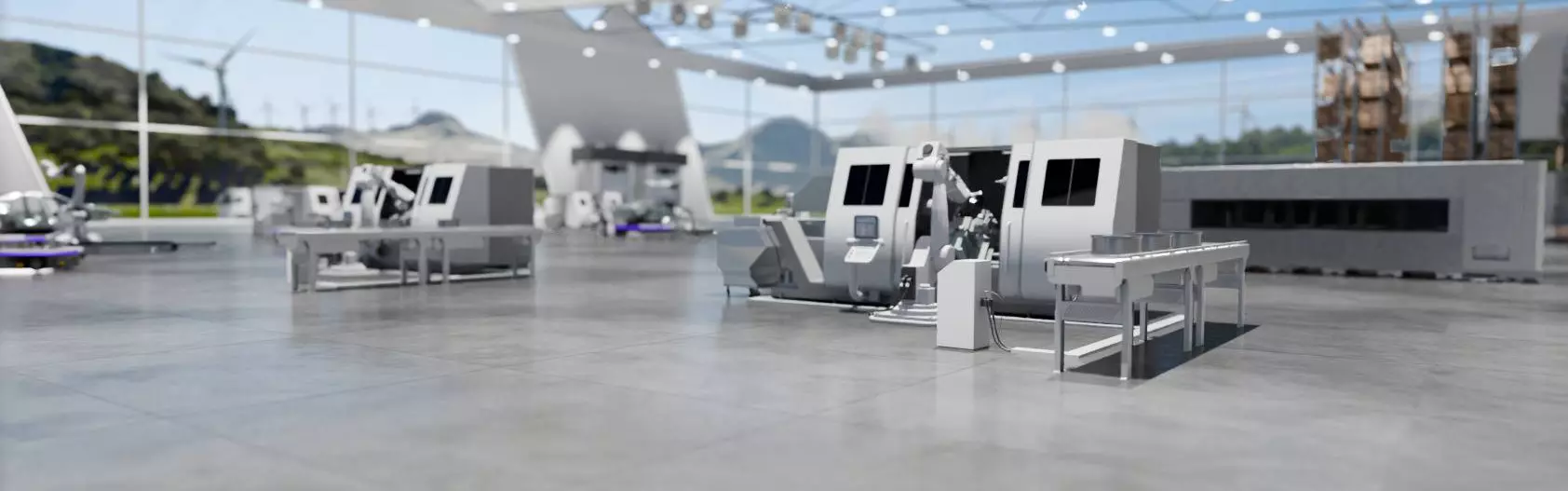
Metalworking is one of the most dynamic and demanding areas of manufacturing. From cutting and shaping to joining and even 3D metal printing, the machines involved are as varied as the tasks they perform. Whether it's drilling, stamping, welding, or laser sintering, each process relies on precision, speed, and reliable uptime.
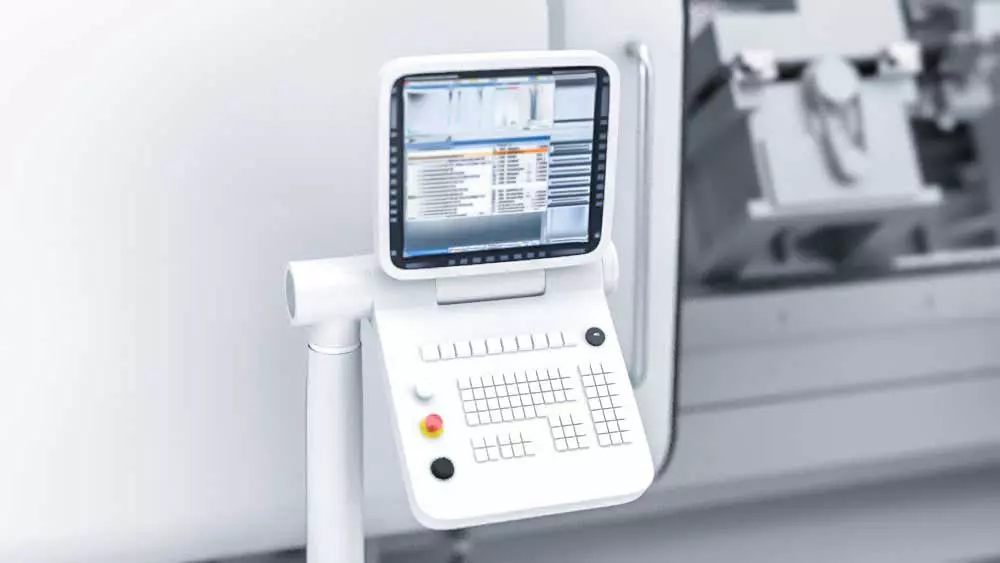
Today’s metalworking machines are smart, connected systems. They use advanced CNC controls, intuitive human-machine interfaces (HMIs), and high-performance sensors to deliver consistent results. But behind the scenes, it’s the connectivity infrastructure that keeps everything running smoothly. Industrial Ethernet, modular connectors, and robust shielding technologies ensure secure, high-speed communication between components and systems — even in harsh environments.
Our metalworking machinery connectivity expertise
HARTING solutions for metalworking machinery
Standardised connections for high-precision technologies
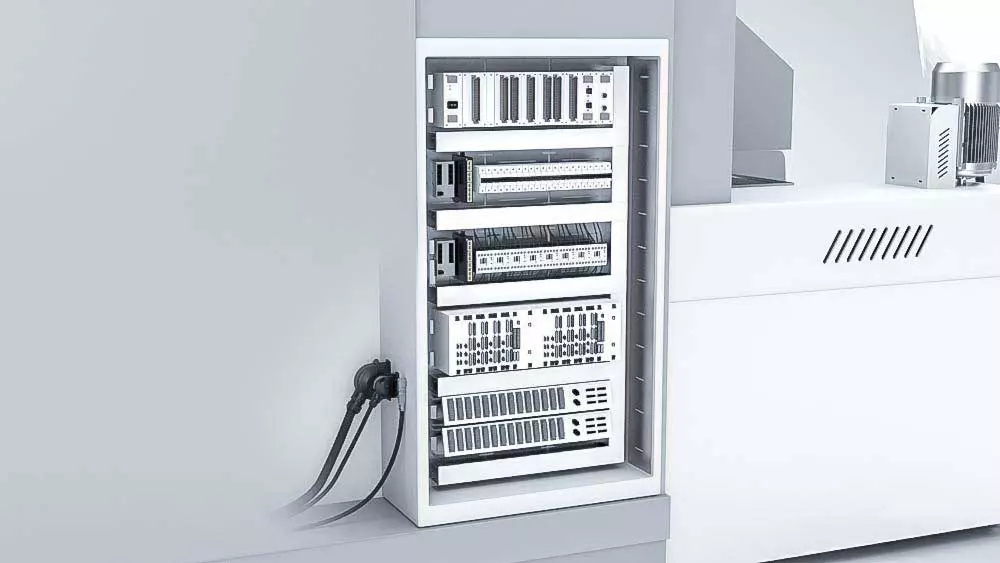
A centralised or decentralised design for the electrical equipment and automation components of any machine or production line can be chosen depending on the overall concept, size, and degree of automation. In all machine concepts, the switch cabinet remains the key component
The cabinets in the metalworking sector house drive controllers for spindle, axis, and auxiliary drives, as well as power supplies, control components (such as CNC, HMI, and PC-based systems), and safety devices. Additionally, the control cabinet plays a central role in ensuring the functional safety of the overall system by providing appropriate physical protection, as well as network security through special measures designed to defend against threats from the network.
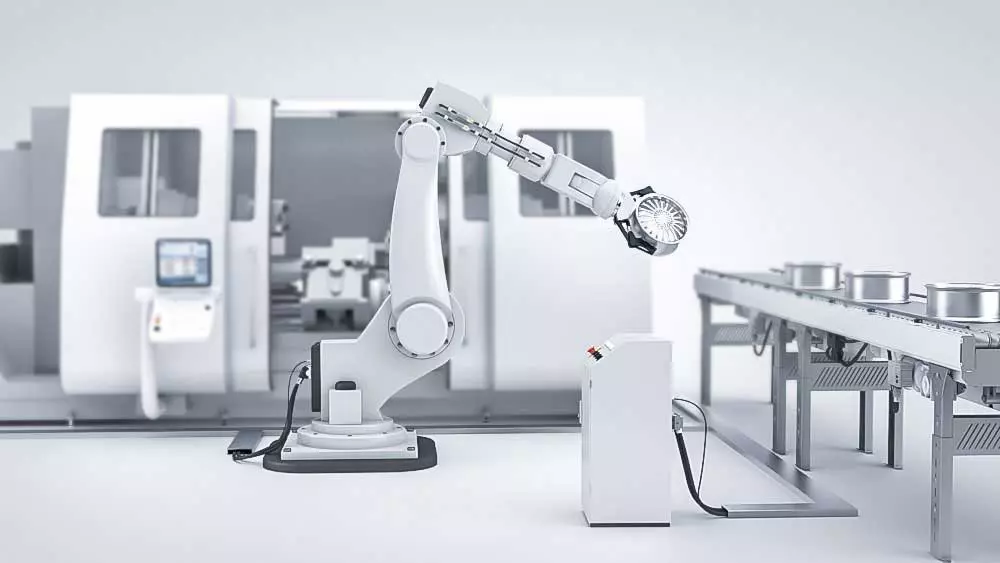
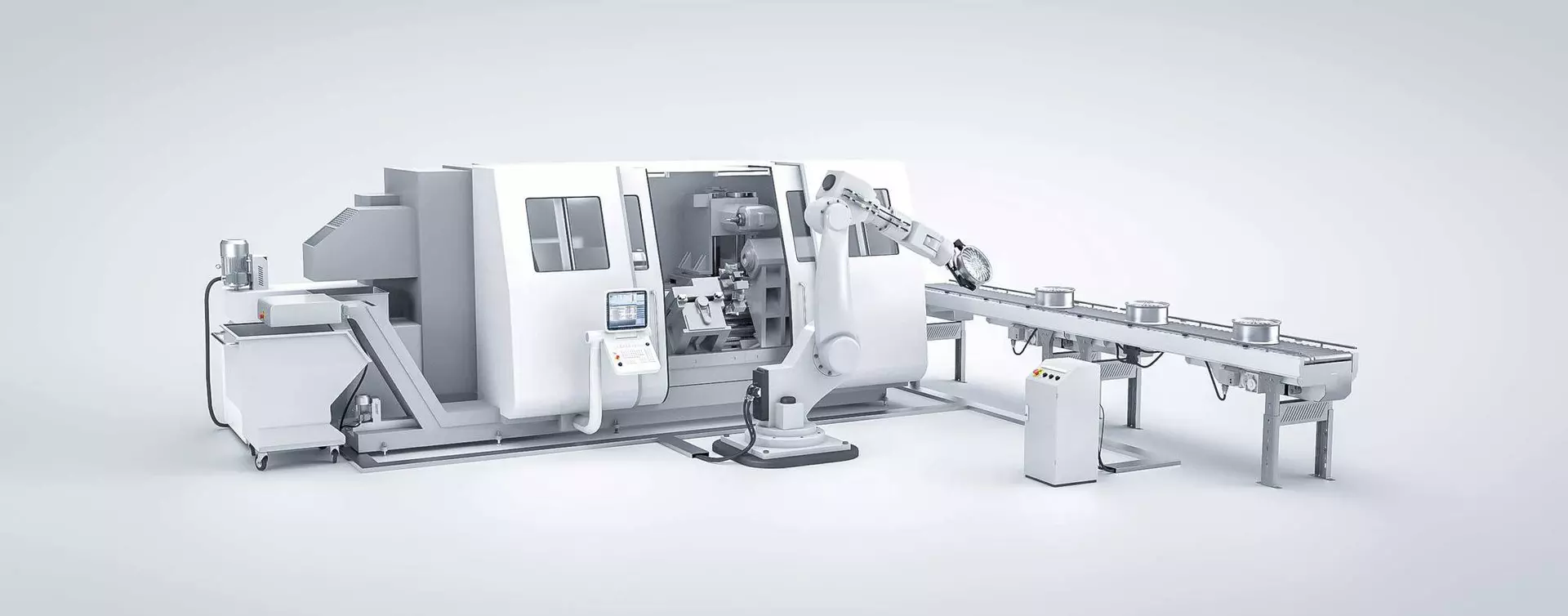
Consistent automation, along with the integration of robots and cobots in metalworking processes, empowers end users to maximize production efficiency and flexibility. Utilizing robots and cobots for tool changes and workpiece feeding enables the setup of subsequent machining jobs to take place concurrently with ongoing machining operations. This parallel processing supports the implementation of unmanned shifts, resulting in reduced throughput times, enhanced product quality, and a decreased workload for skilled personnel.