Electrification is becoming a systemic challenge
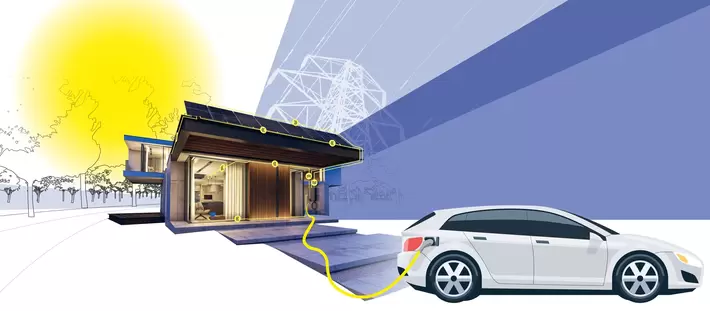
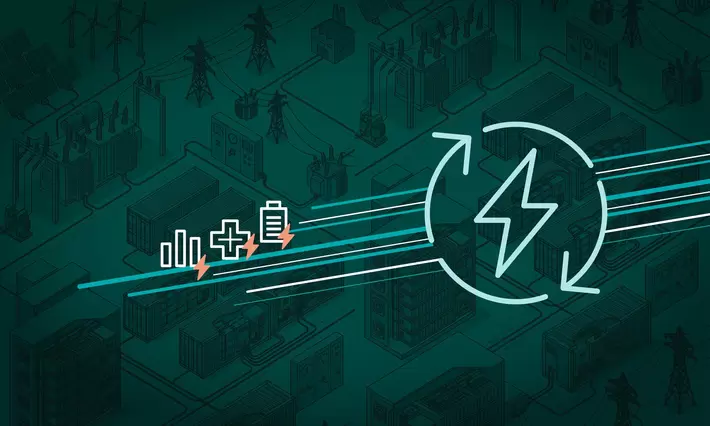
The character of electrification has changed fundamentally. Instead of individual technologies, the focus is now on the question of how complex, networked energy systems can be designed. Where in the past the choice of the right technology was crucial, today it is all about system integration. Energy generation, storage and use are growing together – as are industrial processes and entire value chains.
Electrification no longer only affects individual plants, but entire ecosystems: from production to logistics to infrastructure.
No electrification without digitalisation
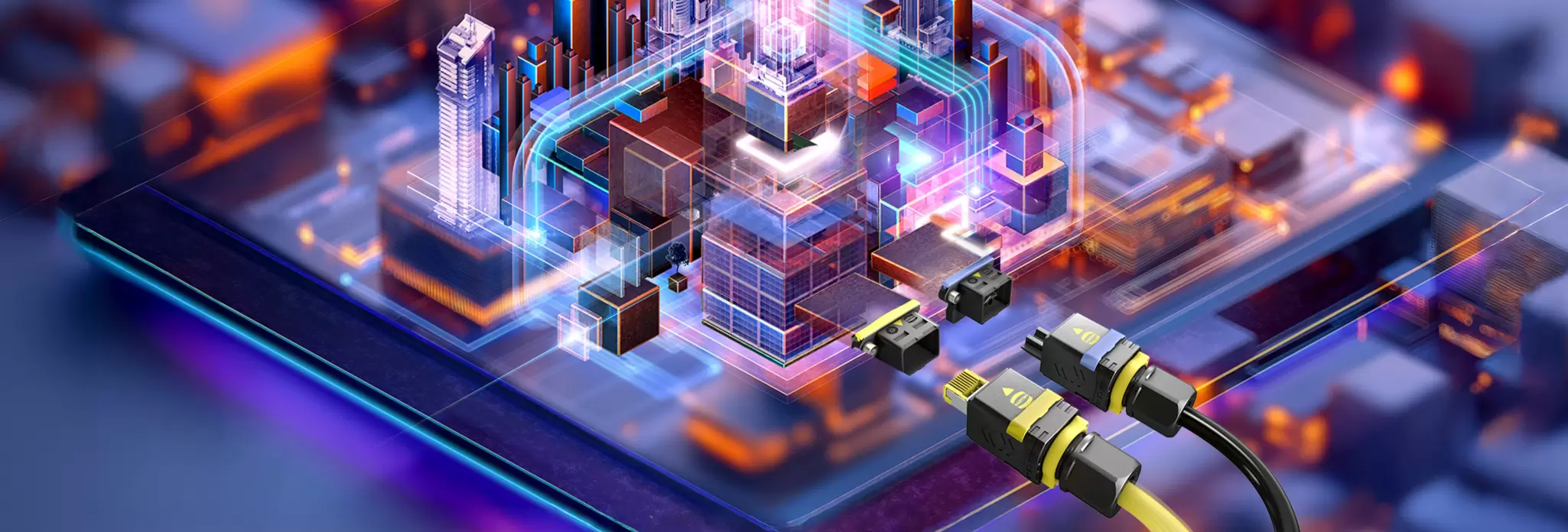
Today, electrification only works in conjunction with digitalization and automation. Data is becoming the central control variable. Networked systems, digital twins and automated processes make the necessary transparency and flexibility possible. In networked and complex applications – such as mines, ports or logistics systems – electrical systems can hardly be operated without digital infrastructure. The consequence: Electrification is no longer just a question of energy, but always also a question of data, communication and software, which often has a significant impact on the business models for those involved.
Complexity as a new reality
At the same time, complexity is increasing, especially in existing industrial structures. Electrification usually takes place in the so-called brownfield: new technologies have to be integrated into existing systems. The path therefore leads through step-by-step transformation with clear roadmaps and scalable solutions.
The structure of the energy supply is also changing. Instead of centralised generation, decentralised systems up to local microgrids are increasingly emerging. Production and consumption are moving closer together, and companies are becoming energy producers and users at the same time. This creates a new understanding of "always on": energy is available but must be actively controlled, optimised and balanced with demand.
Integration becomes key
As system complexity grows, new requirements come into focus:
Integration instead of isolated solutions
Standardised interfaces
Cooperation along the value chain
Electrification is therefore increasingly becoming a joint task of industry, technology providers and infrastructure operators.
Practical examples show the challenge
A project from Scandinavia shows how complex this task already is: There, a steel mill is being converted from coal-based processes to electric arc furnaces. At the same time, port facilities, truck traffic, charging infrastructure and local power grids must be integrated into the new energy system. The challenge is not only the electrification of individual plants, but above all the intelligent linking of energy flows, data and existing systems.
In Europe, the importance of standardised interfaces, close partnerships and cooperation along the entire value chain is demonstrated. However, international developments also illustrate the importance of integrated ecosystems. In China, new electrical systems are sometimes being built under different conditions and without the need to use existing infrastructure. This makes it easier to implement it quickly in some areas.
Conclusion
Electrification has evolved from a technological discipline to a systemic scaling challenge.
Success is no longer determined by individual components, but by how well they succeed in understanding, integrating and operating complex, networked systems.
About The Electrification Hub
The Electrification Hub, based in Sweden, connects companies, research and public actors to drive the electrification of industry and mobility. The hub is industry-driven and combines scientific research with industrial practice.
The focus is on the integration of complex energy and mobility systems along the entire value chain – with the aim of putting innovations into practice more quickly, accelerating the transition to sustainable electrification.