Smart energy systems in railway engineering
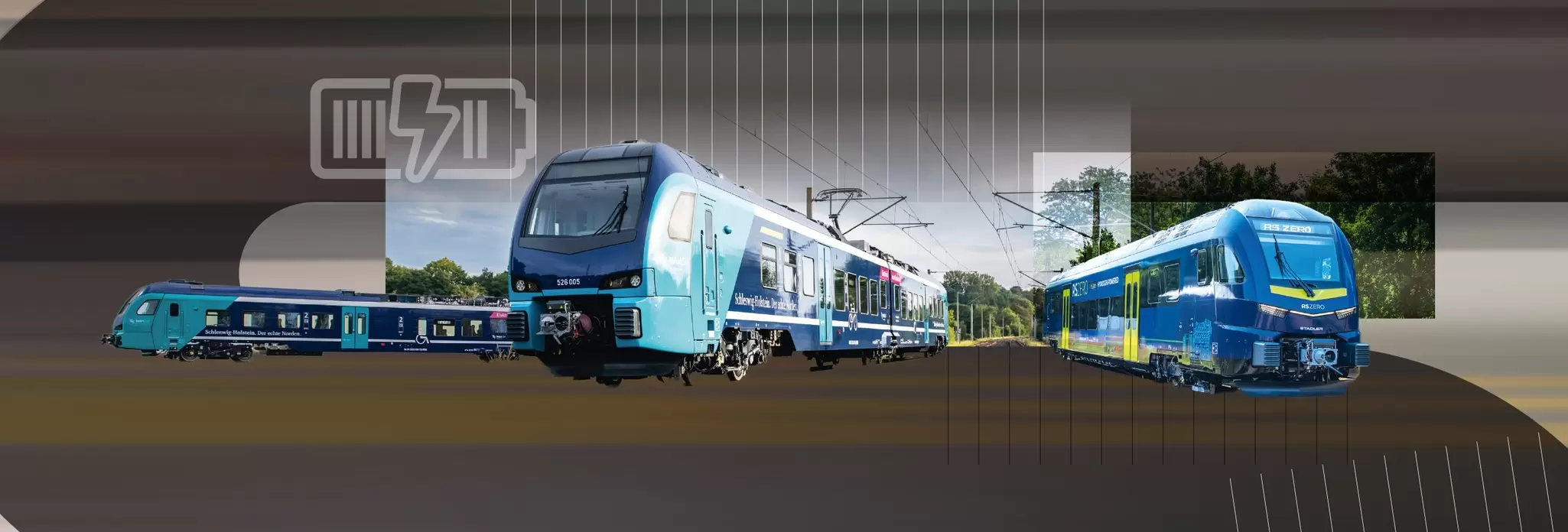
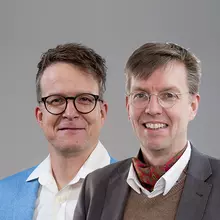
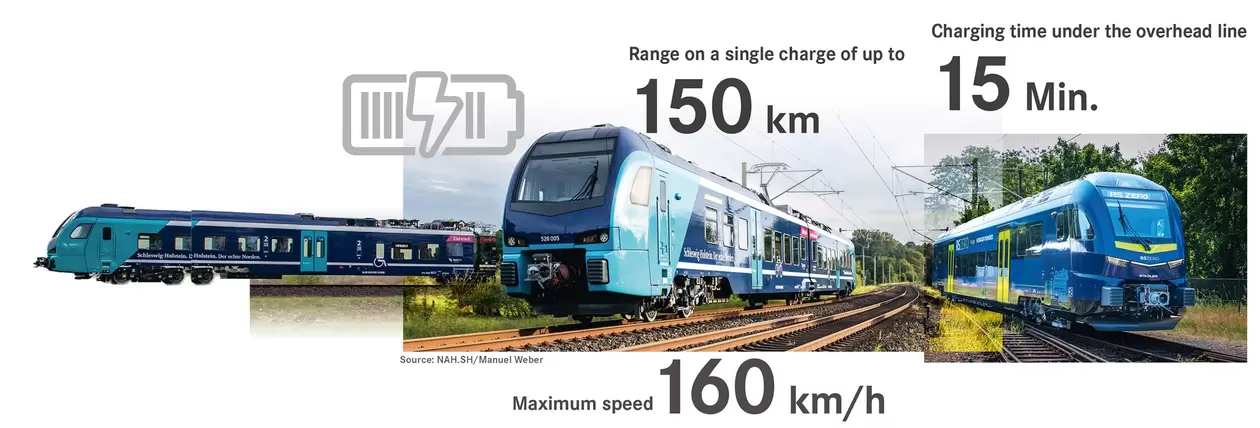
Image souce: NAH.SH/Manuel Weber

Johannes Wilhelmer
Position: Head of Green Technology
- Company: Stadler
From electrical drives to smart energy systems
Why the next stage of electrification will rely on batteries, data and networking
Railways have always been pioneers in the field of electrification. Decades ago, electric drives became the norm as they were more efficient, more powerful and more cost efficient.
The first stage: Electrification for technical reasons
If you look at the history of railways, the reasons why quickly become clear. Electric drives offer high power density, enable the recovery of braking energy and cause less wear than many conventional drive systems. At the same time, they are quieter, more comfortable and more cost efficient to operate.
From a technical and economic point of view, there are many arguments favouring electric propulsion. That is why, initially, the electrification of rail transport was primarily a matter of efficiency and performance, rather than a climate policy decision.
Batteries are closing the remaining gaps
Today, we are in the midst of the next stage in the development of electrification. Although many railway lines are electrified, there are still gaps in the overhead line network in numerous regions.
Modern battery technologies are opening up new possibilities in this area. Non-electrified sections of track are short in comparison to the daily mileage and can therefore be covered with the assistance of relatively small batteries. The train can then draw power from the overhead line again. This makes it possible to significantly reduce dependence on fossil fuels without having to build costly infrastructure everywhere. At the same time, new economic opportunities are emerging for operators and other public authorities.
Modern electrification is not possible without data
This development, however, is also changing the role of electrification itself – which is no longer limited solely to powering vehicles.
The more strongly batteries and energy storage systems are integrated into operations, the more important data, connectivity and digital control systems will become. In my view, electrification is now almost inconceivable without digitalisation. Sensors, data interfaces and automated control loops have long featured as an integral part of modern railway systems.
We derive the greatest benefit when vehicles, infrastructure and operations are not viewed in isolation, but as an integrated system instead.
From individual vehicles to smart fleets
This shift is particularly evident in battery-electric fleets. Operators need to plan charging times, energy availability and vehicle rotas considerably more precisely than before.
That is why digital solutions for energy management and fleet optimisation are becoming increasingly imperative. The intelligent analysis of vehicle data increases availability, reduces maintenance costs as well as optimising energy consumption.
As a result, rail vehicle manufacturing continues to develop: Alongside the vehicle itself, digital services and smart software solutions are becoming integral parts of the overall system.
Trains will become part of the energy system
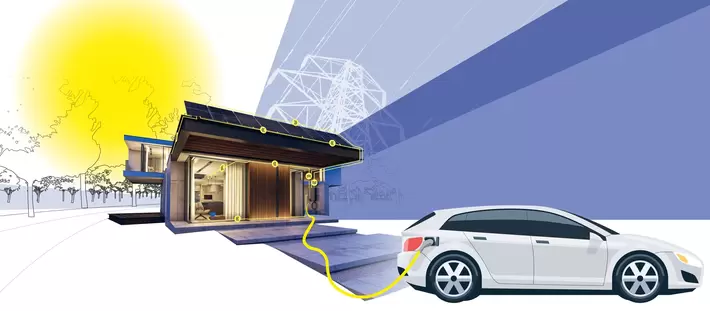
The next step extends even further than that. In future, battery-powered trains would not only consume energy but also become an active part of a smart energy grid.
A parked train could be recharging power or also supply it again if required. In such a scenario the battery would therefore take on additional tasks and do far more than simply powering the vehicle.
In my opinion, that is precisely the next stage of electrification: What once began with electric propulsion is now evolving into a smart, connected system encompassing vehicles, batteries, data and energy flows. Consequently, the future of mobility will not be determined by rail alone, but increasingly by the intelligent combination of electrification and digitalisation.
About Stadler
Stadler has been manufacturing trains for over 80 years. The provider of mobility solutions in the fields of rail vehicle manufacturing, maintenance and signalling technology is headquartered in Bussnang, in eastern Switzerland. More than 17.000 employees are active across 8 production and 6 engineering sites, as well as at over 95 service centres, of which around 6.000 are based in Switzerland. Stadler ranks as the world’s leading manufacturer of vehicles with alternative drive systems (hydrogen and battery) as well as rack-and-pinion railway vehicles. Keenly aware of its social responsibility towards sustainable mobility the company is committed to producing innovative, sustainable and durable quality products.