The electricity grid as an innovation platform in ongoing electrification
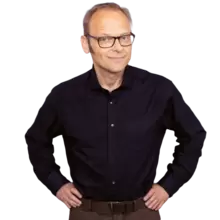
Dr Tim Meyer
Position: Energy expert, author and consultant
Why the electricity grid is emerging as a key factor in the success of the energy transition
The electrification of industry, transport and heating ranks as an essential key to a sustainable and competitive economy. While there is frequent discussion of renewable energy, battery storage and electric mobility, however, one key success factor often remains in the background: the electricity grid. For Dr Tim Meyer, one thing is certain: The future of electrification will be decided on the grid.
tec.news: Dr Meyer, how has your understanding of electrification changed over the past few years?
Dr Tim Meyer: In the past, the main focus was on making renewable energy more affordable and integrating it into the grid. Today, electrification encompasses a great deal more: Heating, transport and mobility, industrial processes and new business models. Their impact now extends deep into almost every area of life and the economy.
tec.news: What role do digitalisation and automation play in this context?
Dr Tim Meyer: A decisively crucial role. Electrification cannot work in the long term without digitalisation. It is only through digital transparency that we can see how heavily networks are being utilised, where bottlenecks occur and what capacity is available. Building on this, processes can be automated and optimised. That is why I like to say: The digitalisation of energy systems is the big sister of electrification.
tec.news: People talking about electrification should, above all, be talking about grids – why is this the case?
Dr Tim Meyer: Because it is the actual and genuine key to the electrification of the future. It is not the energy producers, consumers or storage facilities alone that determine success, but the grid that connects them all. The grid transmits energy, provides flexibility and is what makes the economic optimisation of the entire system possible in the first place.
Innovation instead of more copper
Here is a salient example of the potential of smart grids: By using a medium-voltage regulator from Hitachi Energy, a grid operator was able to integrate around 260 per cent more photovoltaic power into its grid – without putting down any additional cables. As this aptly demonstrates, more copper is not always the answer. Digitalisation and modern network technology often suffice to make much better use of existing infrastructure.
tec.news: The importance of this aspect is often underestimated.
Dr Tim Meyer: Absolutely. The network is often seen as a cost factor. In fact, however, it is an innovation platform – comparable to the internet or the mobile network. Only a high-performance infrastructure will enable new business models, digital services and industrial applications. Without modern grids, electrification becomes a bottleneck.
tec.news: Germany is generally regarded as lagging behind when it comes to the digitalisation of its electricity grids. Are we holding ourselves back by dragging our heels?
Dr Tim Meyer: Unfortunately, yes. Other European countries are significantly further ahead, for example when it comes to smart meters or digital grid processes – and in addition, we are burdened with a highly fragmented network landscape. There are over 850 distribution system operators, each with their own technical specifications, software systems and business processes. This makes many things unnecessarily complicated, slow and costly.
tec.news: It is often claimed that the necessary expansion of the grid will make the energy supply of the future extremely expensive.
Dr Tim Meyer: Quite the opposite is true. Admittedly, the absolute costs will rise because we need more infrastructure. At the same time, however, the grids will be carrying significantly more electricity than they do today, which will reduce the unit cost per kilowatt-hour.
Or to put it another way: We will save money by way of electrification. The more we electrify transport, mobility, heating and industry, the better the grids are utilised – the more cost-efficient they will become as a result.
USA: Networks as a marketplace
In the United States, electricity prices and grid capacity are optimised jointly by way of market design. Local price signals indicate where energy is available and where shortages arise. This is an example of how digitalisation and market mechanisms can help to utilise electricity grids more efficiently and manage investments in a more targeted manner.
tec.news: What needs to happen now?
Dr Tim Meyer:We need expansion, digitalisation and standardisation all at the same time. The technologies are available, as is the expertise within the electrical and software industries. We now need a reliable regulatory framework and financial incentives for the modernisation of the networks. Protagonists wishing to speed up electrification must, above all, modernise the grid infrastructure.
tec.news: In your view, what is the most important lesson that policymakers, the business arena and society at large must now take on board?
Dr Tim Meyer: Electrification is no longer a vision of the future, but an economic reality. If it is to realise its full potential, we must view the electricity grid as the central infrastructure of the electrical age. The success of electrification is not primarily determined in the power stations – but in the grids.
Dr Tim Meyer
Dr Tim Meyer is an energy expert, author and consultant with more than 25 years of experience in the energy sector. A doctor of electrical engineering, he focuses primarily on electrification, energy markets and grid infrastructure. Tim Meyer analyses the opportunities and challenges of transformation at the intersection of technology, business and politics. As a speaker, author and consultant, Meyer explains complex energy issues in a manner that is readily comprehensible and practical.