Generating and storing electricity with a reversible fuel cell

Dipl.-Ing. Maximilian Schmitt
Position: Head of Sales & Marketing
- Company: Reverion
Bidirectional energy
At Reverion, when we talk about electrification, we no longer mean just the generation of electricity. For us, it’s about flexibilising the use of energy, providing power when it’s needed, and storing it when there’s a surplus.
Because that is precisely one of the major challenges today: Renewable energy sources such as wind and solar power are increasingly supplying large amounts of electricity, but not on a constant basis, however.
Keeping energy flowing
In our day-to-day work, we are constantly confronted with this field of tension. With increasing frequency we are encountering situations in which more energy is generated than the grid can handle. At the same time, there are periods in which power is lacking. This is precisely where our systems come in. Our technology – reversible fuel cell systems – can do both: Generating electricity and storing energy, thereby transforming a conventional power station into a flexible energy converter.
In practical terms, this means:
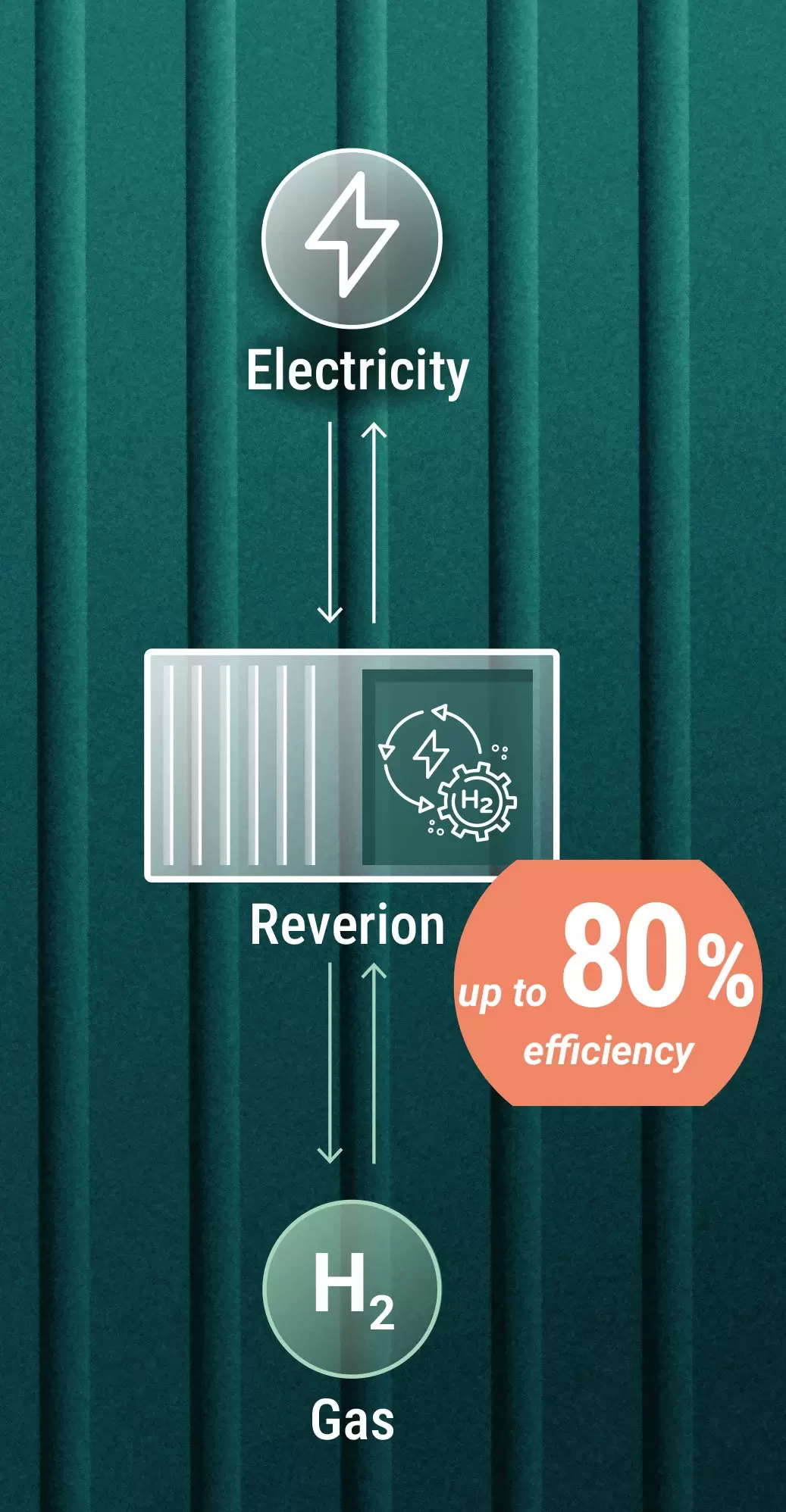
We generate electricity from gas, such as hydrogen or biogas
Or we can convert surplus electricity into gas, thereby storing the energy for later use
Our systems achieve electrical efficiency of up to 80 % – and in both directions. For us, gas is therefore no longer a conventional fuel, but a flexible form of energy storage.
More than just a power station
At first glance, our solution can be described as a highly efficient power station. On closer inspection, however, a significantly broader range of functions emerges.
Our systems do not operate in just one direction. They respond dynamically to what is currently happening in the energy system, which makes them fundamentally different from conventional systems.
A coal-fired power station is either running or standing still. Our systems, on the other hand, are always “on” and responding: They continuously analyse whether energy is required or should be stored, and adjust operations accordingly. We regard this as representing a new dimension of electrification.
Digitalisation is essential
What is often underestimated in this regard is the fact that this flexibility would not be possible without digitalisation.
For our system to work expediently and effectively, it needs real-time data. We need to know:
Where is electricity needed?
When is there an abundance of energy?
How are supply and demand developing and changing?
It is only with this information that our system can make the right decision. Electrons and data streams are inextricably linked.
Why storage is crucial
A key advantage of our approach lies in the storage duration. Batteries are ideal for smoothing out short-term fluctuations – typically over a few hours. Our technology, however, extends much further than that. We can store energy for days, weeks or even longer, provided that suitable gas storage facilities are available. By way of a connection point to the gas network, the storage options are virtually unlimited. This opens up entirely new possibilities for bridging periods of low generation or offsetting seasonal fluctuations.
A building block for the energy transition
We do not perceive our systems as the sole solution, but rather as a building block in a larger energy system.
It is particularly in regions with a high share of renewable energy that our approach can make a genuine, substantial difference:
Surplus energy is stored rather than wasted
Bottlenecks are dealt with flexibly
The burdens on the networks are eased
And this should be achieved as decentralised as possible, close to where energy is generated and consumed.
From the idea to actual practice
At the moment, we are still working in relatively small power classes and gaining experience in the field. Our systems are modular in design and can be combined – an important step towards catering for larger applications in the future. We are not only developing technology but also gaining an understanding of how future energy systems could work.
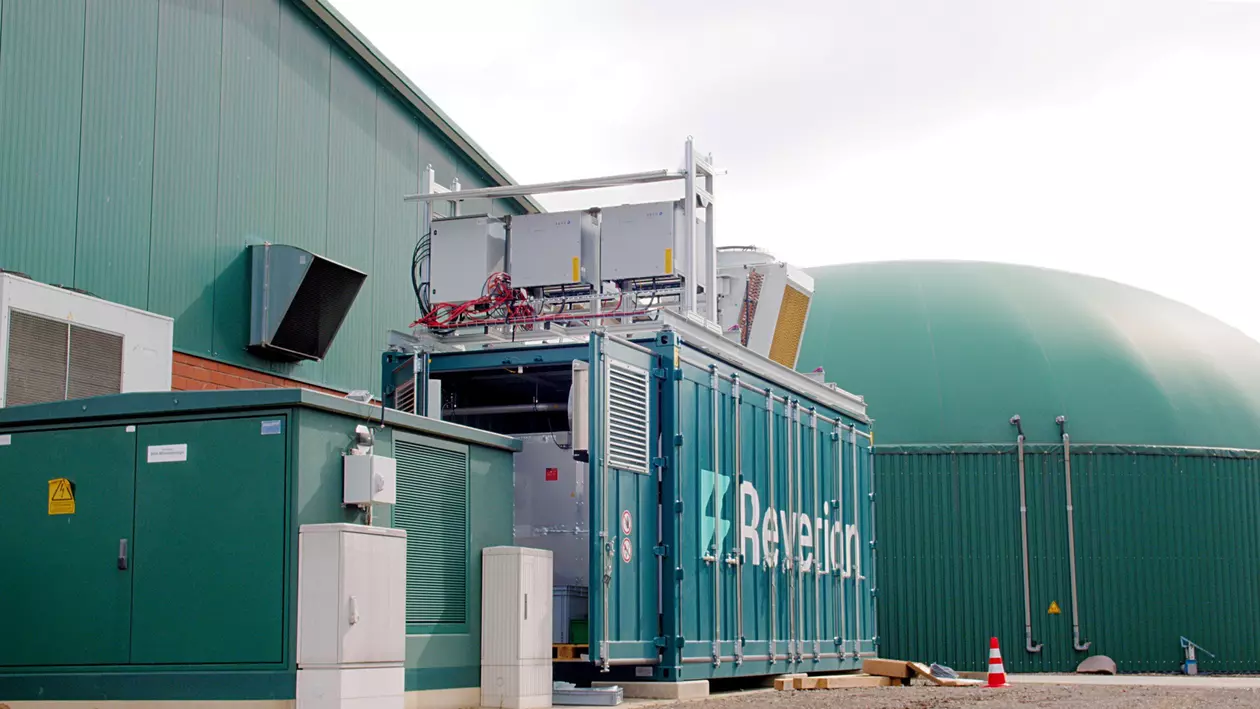
A recent project at HARTING in Espelkamp demonstrates that the technology is already being put into practice. A Reverion plant is part of the energy system there and helps the company to use renewable energy more flexibly and, over the long term, to store it in the form of green hydrogen.
Networking as the key
As the scale trends upwards, so does the importance of an issue that is part of our daily lives, namely connectivity: Our systems rely on being able to communicate reliably with their environment, whether this entails local energy systems, storage facilities or higher-level markets. Only if this communication functions reliably will dynamic operations succeed. That is why interfaces, data transmission and robust connections play a pivotal role in our development
HARTING technology integrated into Reverion systems
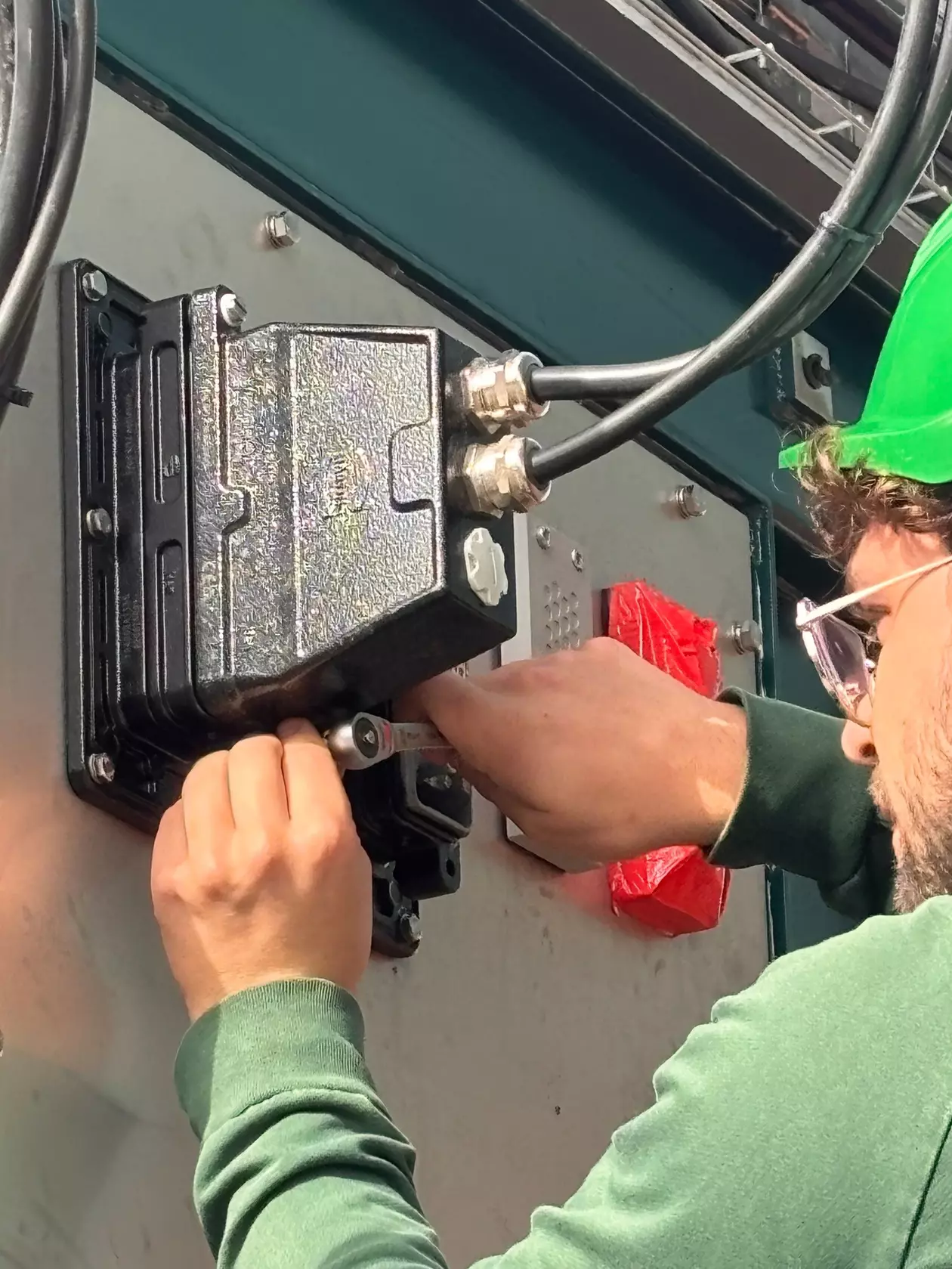
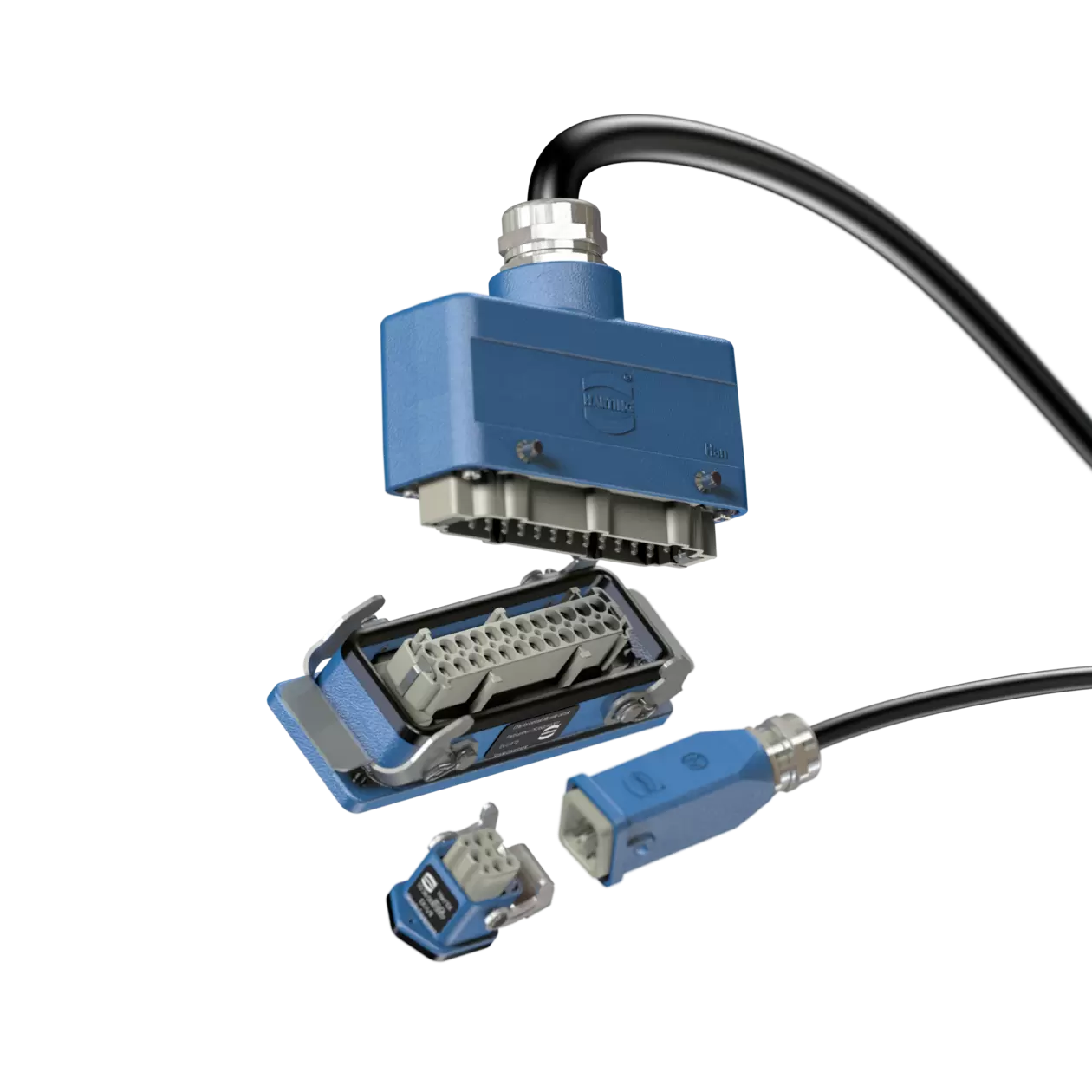
HARTING connectors reliably transmit power, data and signals in Reverion systems. Modular and robust components allow for flexible integration into the system.
To this end, Reverion relies on, among other things, Han® HPR hoods/housings as well as Han‑Modular® inserts.
About Reverion
Reverion develops highly efficient energy systems based on fuel cells that are capable of generating and storing electricity and converting it into hydrogen as required. The systems achieve efficiency levels of up to 80 %. Based in Eresing, near Munich, the company employs around 200 members of staff.